CERAMIC COATING PRICING
Ceramic Coating
Price varies depending on vehicle condition and desired quality of coating
Ceramic coatings are applied per customer request, and the ceramic coating used is determined by the customer's needs and amount of protection desired for their RV, motorhome, fifth wheel, or travel trailer
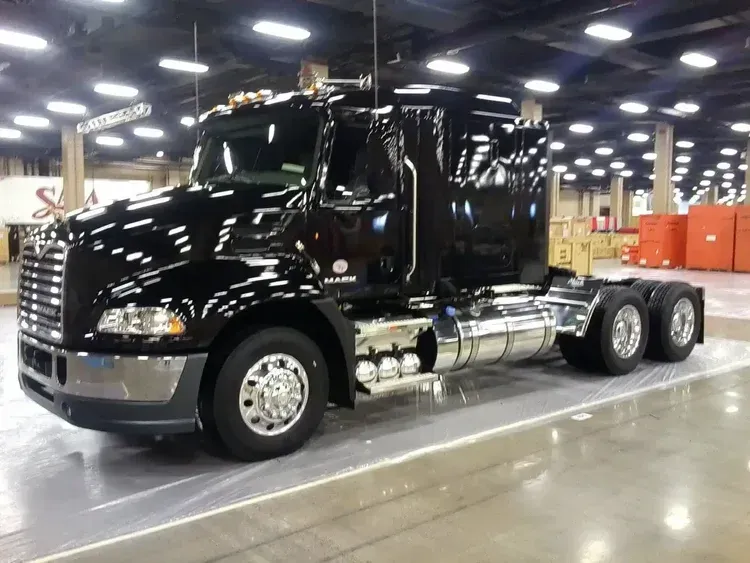
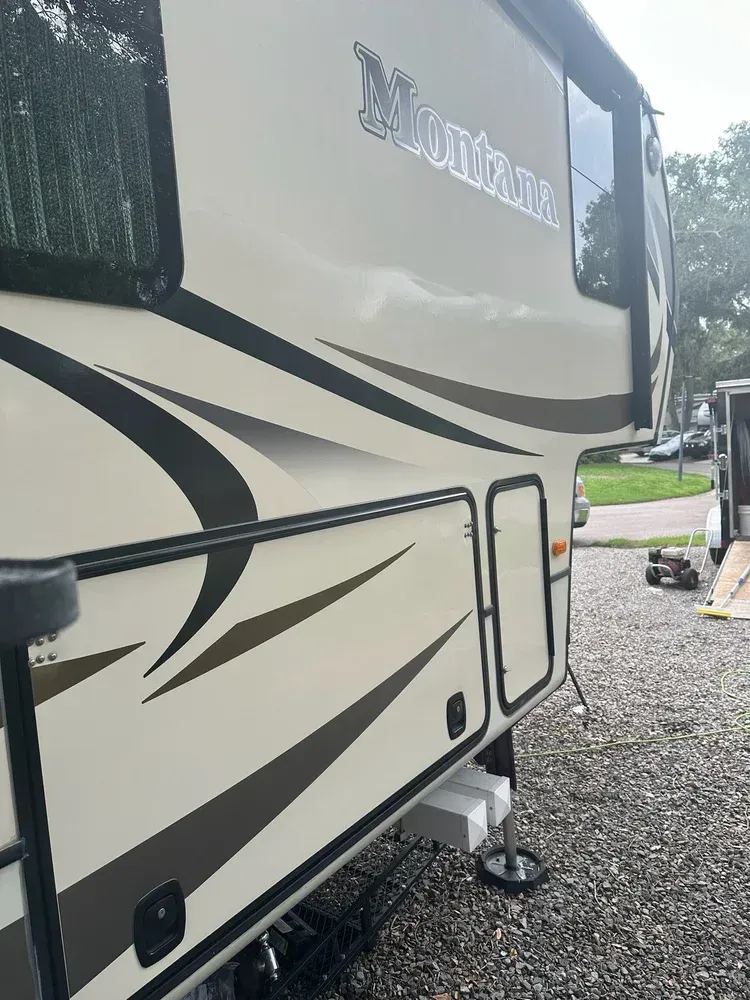
Multi-Year Protection for Prepared Surfaces
Ceramic Coatings in Greater Tampa Bay for RVs with Healthy Finishes Needing Long-Term UV Defense
Professional ceramic coatings bond chemically to properly prepared paint and gelcoat, forming hydrophobic layers with UV inhibitors that protect RV surfaces for multiple years rather than the two-to-four-month lifespan of traditional carnauba wax. The application process requires decontamination to remove embedded contaminants, surface correction to eliminate defects that coatings would otherwise lock in place, and precise coating application on paint, gelcoat, windows, and trim using controlled environments that prevent dust contamination during curing. Mpres mobile Rv detailing applies ceramic protection on-site across Greater Tampa Bay after confirming surfaces are clean, corrected, and ready to accept professional-grade coatings designed for RV exteriors.
Surface preparation determines coating performance more than the product itself, which is why decontamination using clay bars and chemical cleaners precedes any coating application to remove rail dust, tree sap, and bonded contaminants that washing cannot eliminate. Paint correction addresses swirl marks, light scratches, and haze before coating, ensuring the ceramic layer locks in a flawless finish rather than preserving existing defects.
Request a coating consultation to determine whether your RV's current finish is ready for ceramic protection or requires correction first.
How Ceramic Coatings Change Surface Behavior
Ceramic coatings create cross-linked silica structures that form harder, more durable barriers than organic waxes, which is why coated surfaces resist scratching, chemical etching, and UV degradation more effectively than unprotected finishes. The hydrophobic effect causes water to bead into tight spheres and roll off at low angles, carrying dirt and contaminants away instead of allowing them to sit on the surface and bond over time.
After coating cures, you notice that water beads aggressively and slides off during rain rather than pooling in flat sheets, bugs and bird droppings rinse away with light pressure instead of requiring scrubbing, and the surface maintains consistent gloss without dulling between washes. Enhanced UV protection slows oxidation and fading, which is particularly important for RVs stored outdoors in Central Florida where sun exposure is intense year-round and accelerates gelcoat degradation on unprotected surfaces.
Ceramic coatings preserve healthy finishes rather than repairing damaged ones, meaning heavily oxidized or faded RVs must receive Oxidation Removal before coating application. Attempting to coat neglected surfaces locks in existing damage and prevents correction later, which is why surface evaluation precedes every ceramic coating consultation.
Common Questions About RV Ceramic Coating
RV owners considering long-term protection often ask about coating durability, maintenance requirements, and whether mobile application affects performance compared to shop installations.
How long do ceramic coatings last on RVs exposed to Florida sun?
Professional-grade coatings typically provide three to five years of hydrophobic performance and UV protection when properly maintained, though durability depends on storage conditions and whether the RV is garaged or left outdoors continuously.
What maintenance does a ceramic-coated RV require?
Coated surfaces still need regular washing to remove dirt, but contamination releases more easily and water behavior remains stronger than waxed finishes, reducing the frequency and effort required to maintain appearance.
Can ceramic coatings be applied over existing wax?
All wax, sealants, and contaminants must be removed during decontamination before coating application because ceramic products bond chemically to clean paint or gelcoat rather than sitting on top of organic layers like traditional waxes.
Why does mobile ceramic coating work as well as shop applications?
Coating performance depends on surface preparation and proper curing conditions rather than location, so on-site application using controlled methods and professional products produces identical results to shop installations when dust and temperature are managed correctly.
Should I coat my RV's windows and trim along with the paint?
Ceramic coatings bond to glass and trim surfaces as effectively as painted areas, creating uniform hydrophobic behavior across the entire exterior and simplifying cleaning by eliminating material-specific products for different surface types.
Mpres mobile Rv detailing evaluates your RV's finish condition and explains whether ceramic coating will perform optimally or whether correction services should be completed first. Schedule an on-site assessment to review preparation requirements and receive a detailed coating proposal.
CONTACT US
Contact Us
We will get back to you as soon as possible.
Please try again later.